Tech Talk
ATP Momentum - Accelerating Industrial Computing
Last updated 30 April 2026
As industrial computing continues to evolve, performance expectations are changing rapidly. AI-enabled edge systems, industrial automation, machine vision, transportation platforms, and intelligent embedded devices are all generating and processing more data than ever before. To keep pace, industrial customers need storage and memory solutions that deliver next-generation speed without compromising reliability, lifecycle stability, or thermal performance.
Through Simms International’s strategic partnership with ATP Electronics, industrial customers now have access to the new ATP Momentum Line - a portfolio purpose-built to bring high-performance Gen4 NVMe storage and DDR5 memory into mainstream industrial applications.
Designed to balance speed, efficiency, endurance, and affordability, the Momentum Line represents a practical evolution for organisations looking to modernise infrastructure while maintaining industrial-grade dependability.
Bringing PCIe Gen4 Performance to Industrial Storage
At the core of the Momentum storage portfolio is ATP’s latest generation of PCIe Gen4 NVMe SSDs, designed specifically for embedded and industrial workloads that demand faster data access and lower latency.
Using the PCIe Gen4 x4 interface and NVMe 1.4 protocol, ATP’s Momentum SSDs deliver sequential read speeds up to 7,200 MB/s and write speeds up to 6,500 MB/s, significantly outperforming previous SATA and Gen3-based storage technologies.
For industrial applications, this increased bandwidth creates major advantages:
- Faster boot and application loading
- Reduced latency for AI and analytics workloads
- Improved responsiveness for machine vision systems
- Higher throughput for edge computing platforms
- Better handling of large data streams in real time
But while speed is important, ATP understands that industrial environments require much more than benchmark performance.

Engineered for Real-World Industrial Deployments
Unlike consumer SSDs designed for intermittent desktop usage, the Momentum Line is engineered for sustained operational stability.
Supporting capacities from 256 GB to 4 TB and operating temperatures from -20°C to +75°C, these drives are designed to perform consistently in demanding environments where reliability is critical.
ATP also integrates a range of enterprise-inspired reliability technologies into the Momentum series, including:
- End-to-End Data Path Protection
- AutoRefresh and Auto-Read Calibration
- Firmware-based data-at-rest protection
- Host Memory Buffer (HMB) support
- Intelligent power management features
These technologies work together to help maintain data integrity and long-term endurance under continuous industrial workloads.
For system designers and integrators, this means fewer compromises between performance and operational reliability.
Thermal Performance Matters More Than Ever
As storage bandwidth increases, thermal management becomes a growing challenge, especially in compact industrial systems with limited airflow.
PCIe Gen4 SSDs generate significantly more heat than previous-generation solutions, and without proper thermal optimisation, systems can experience throttling, instability, or reduced lifespan.
This is an area where ATP’s long-standing expertise in industrial-temperature storage becomes especially valuable.
The Momentum Line benefits from ATP’s thermal-first engineering philosophy, including optional thermal management solutions such as:
- Nickel-coated copper heat spreaders
- Fin-type heatsink designs
- Adaptive thermal throttling technologies
- Firmware-level thermal optimisation
Rather than focusing solely on peak performance, ATP engineers for sustained performance consistency, ensuring systems can continue operating reliably under demanding workloads and environmental conditions.
DDR5 Memory for the Next Generation of Edge Systems
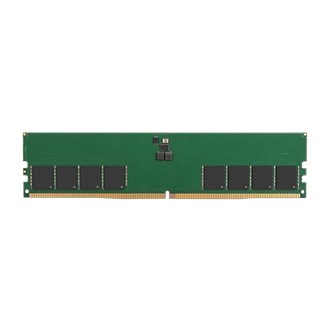
Alongside its Gen4 NVMe portfolio, ATP’s Momentum Line also introduces next-generation DDR5 industrial memory modules.
Available in both UDIMM and SO-DIMM form factors, the DDR5 range supports capacities up to 32 GB and transfer speeds up to 5600 MT/s, delivering significant improvements in bandwidth and responsiveness over DDR4.
For industrial AI, automation, and edge computing applications, DDR5 provides several key advantages:
- Higher memory bandwidth for data-intensive processing
- Improved multitasking performance
- Lower operating voltage and better power efficiency
- Increased overall system responsiveness
ATP further enhances reliability through rigorous validation, premium DRAM selection, strict JEDEC compliance, and proprietary technologies designed to minimise memory errors over extended operational lifecycles.
The result is memory engineered not just for speed, but for dependable industrial deployment.

A Practical Pathway to Modern Industrial Performance
The ATP Momentum Line reflects a broader shift in industrial computing: organisations increasingly need enterprise-class performance, but within solutions optimised for longevity, stability, thermal resilience, and real-world deployment flexibility.
Through Simms International’s partnership with ATP Electronics, customers across industrial and embedded markets now have direct access to these next-generation storage and memory technologies, backed by local expertise, technical guidance, and application-focused support.
As industrial systems continue to evolve, the Momentum Line offers a practical and reliable pathway toward faster, smarter, and more efficient computing at the edge.